

Poisoned Abstraction: Kurt Schwitters between Revolution and Exile
Graham Bader
Hardcover | 25.4 x 1.91 x 28.58 cm | 240 pp
Yale University Press | 2021 | 9780300257083
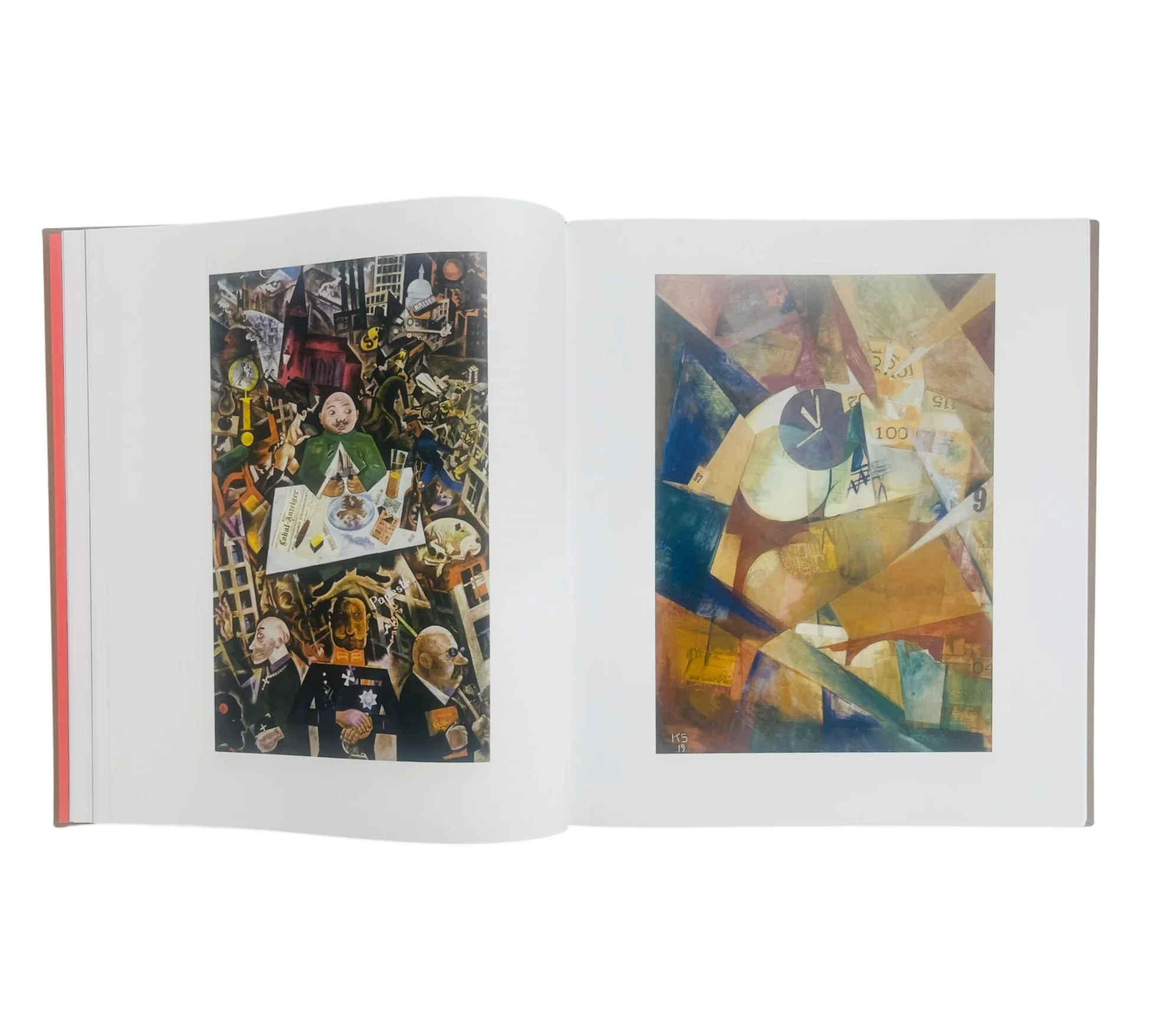
This richly illustrated book offers a definitive new assessment of the oeuvre of Kurt Schwitters (1887–1948), a central figure of the interwar European avant-garde. Active as an artist, designer, publisher, performer, critic, poet, and playwright, Schwitters is best known for intimately scaled, materially rich collages and assemblages made from found objects—often refuse—that the artist described as having lost all contact with their role and history in the world at large. But as Graham Bader explores, such simple separation of art from life is precisely what Schwitters’s “poisoned abstraction” calls into question.
Considering works reaching from Schwitters’s earliest collage-based pieces of 1918–19, through his 1920s advertising designs, to his seminal environmental installation the Merzbau, Bader carefully unpacks the meaning behind such projects and sheds new light on the tumultuous historical conditions in which they were made. In the process, he reveals a new Schwitters—aesthetically committed and politically astute—for our time. This authoritative account reframes our understanding of Schwitters’s multifaceted artistic practice and explores the complex entwinement of art, politics, and history in the modern period.
Original: $46.92
-65%$46.92
$16.42Product Information
Product Information
Shipping & Returns
Shipping & Returns
Description
Graham Bader
Hardcover | 25.4 x 1.91 x 28.58 cm | 240 pp
Yale University Press | 2021 | 9780300257083
This richly illustrated book offers a definitive new assessment of the oeuvre of Kurt Schwitters (1887–1948), a central figure of the interwar European avant-garde. Active as an artist, designer, publisher, performer, critic, poet, and playwright, Schwitters is best known for intimately scaled, materially rich collages and assemblages made from found objects—often refuse—that the artist described as having lost all contact with their role and history in the world at large. But as Graham Bader explores, such simple separation of art from life is precisely what Schwitters’s “poisoned abstraction” calls into question.
Considering works reaching from Schwitters’s earliest collage-based pieces of 1918–19, through his 1920s advertising designs, to his seminal environmental installation the Merzbau, Bader carefully unpacks the meaning behind such projects and sheds new light on the tumultuous historical conditions in which they were made. In the process, he reveals a new Schwitters—aesthetically committed and politically astute—for our time. This authoritative account reframes our understanding of Schwitters’s multifaceted artistic practice and explores the complex entwinement of art, politics, and history in the modern period.